
Getting™ Started | Ledger® Live: Desktop® — official
Ledger Live Desktop is designed for convenient Ledger wallet management, giving users desktop tools to connect devices, manage accounts, monitor crypto balances, and access supported features.
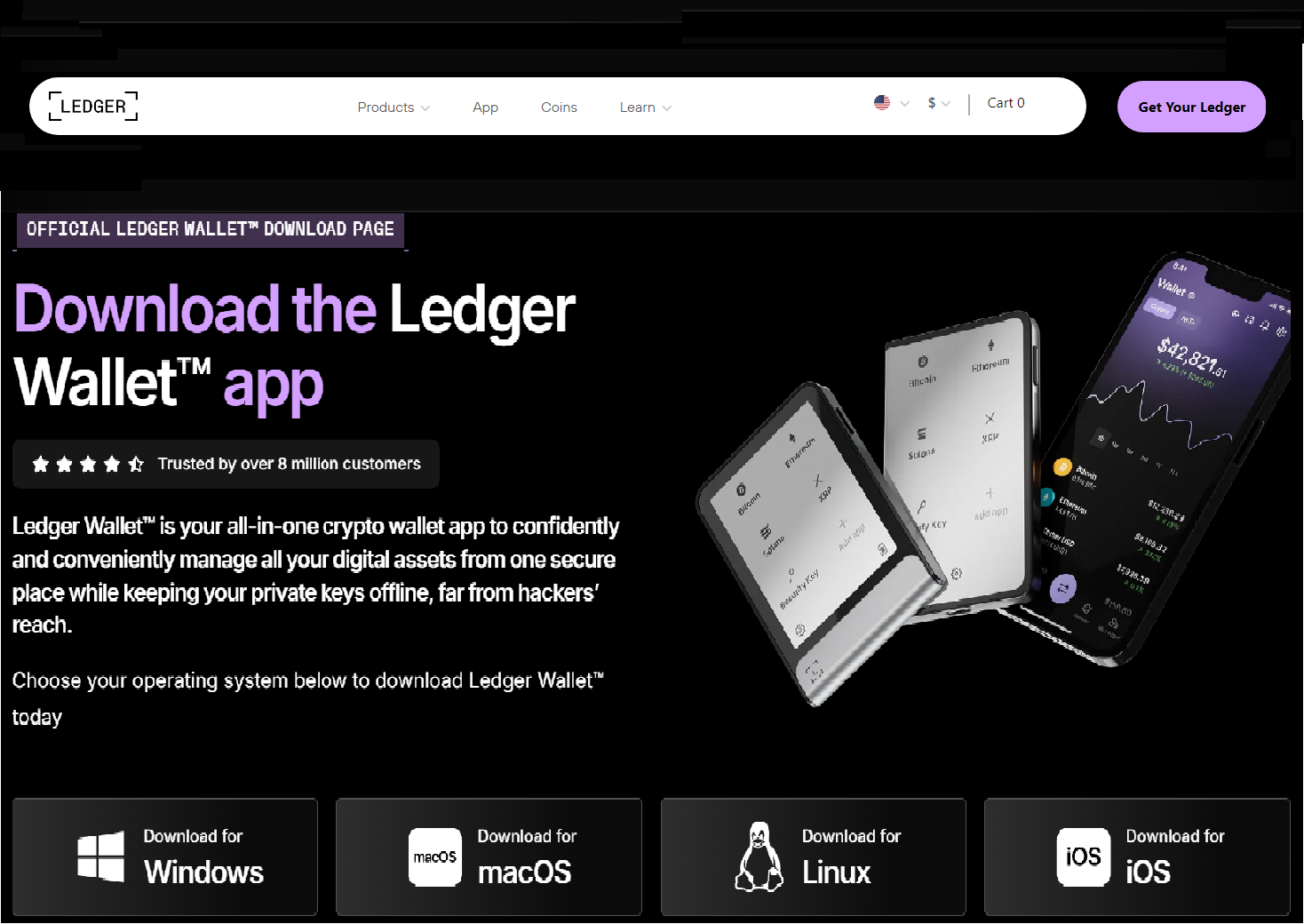
Ledger Live Desktop: A Complete Guide to Secure Crypto Management
Managing cryptocurrency from a desktop computer can be easier when wallet software provides a clear interface for viewing accounts, monitoring balances, and interacting with a compatible hardware wallet. For users who prefer desktop-based crypto management, Ledger Live Desktop can provide a convenient environment for organizing digital assets while keeping important security responsibilities connected to a hardware device.
Ledger Live Desktop is designed to work alongside compatible Ledger hardware wallets. The desktop application provides the software interface, while the hardware wallet is used to protect sensitive wallet credentials and confirm important operations. Understanding how these two components work together can help users create a more secure and organized crypto-management routine.
What Is Ledger Live Desktop?
Ledger Live Desktop is a desktop-based application used with compatible Ledger hardware wallets for managing supported cryptocurrency accounts. Instead of relying only on a browser-based wallet interface, users can access a dedicated application from a supported computer.
The application can provide tools for viewing portfolio information, managing accounts, installing supported blockchain applications, and preparing cryptocurrency transactions. However, the hardware wallet remains an important part of the security process because sensitive credentials are designed to remain protected by the physical device.
Why Ledger Live Desktop Matters
A desktop wallet interface can make cryptocurrency management more convenient, especially for users who regularly work from a computer. Having account information and portfolio tools available through one application can simplify everyday activities.
At the same time, convenience should not replace security. Ledger Live Desktop works as part of a broader hardware-wallet setup where the software communicates with the physical device. Users should understand that the application and hardware wallet have different roles.
Preparing Before Using Ledger Live Desktop
Before beginning, users should make sure they have a compatible Ledger hardware wallet, a supported computer, and a reliable connection. The computer should also be protected with current security updates and a trustworthy security configuration.
It is important to obtain wallet software from a legitimate source and avoid downloading applications from advertisements, unknown websites, or links received through unsolicited messages. Fake wallet applications can be designed to imitate familiar interfaces and attempt to obtain sensitive information.
Connecting a Ledger Hardware Wallet
After preparing the computer and compatible hardware wallet, the device can be connected according to the applicable setup instructions. Users should pay attention to the information displayed on the physical device rather than relying exclusively on the computer screen.
The hardware wallet provides an additional verification layer when important operations are performed. This distinction is one of the key concepts to understand when using Ledger Live Desktop.
Understanding the Ledger Live Desktop Interface
Once the application is properly configured, users may encounter different areas for accounts, portfolio information, supported assets, and device-related functions. The exact interface can change as software versions are updated.
Taking time to understand the available sections can make routine wallet management easier. Rather than immediately performing transactions, new users can first become familiar with account organization, balances, device connectivity, and available management options.
Managing Cryptocurrency Accounts
Ledger Live Desktop can be used to organize supported cryptocurrency accounts. Users may create or manage separate accounts depending on the assets and networks they use.
Keeping accounts organized can make it easier to distinguish between different holdings and understand where assets are being managed. However, displayed balances should always be interpreted carefully, especially when network activity or asset support changes.
Monitoring Portfolio Information
Portfolio tools can provide a convenient overview of cryptocurrency holdings. Users may review account balances and other available information from the desktop interface without needing to check every account individually.
Portfolio values can change as cryptocurrency market prices move. Therefore, displayed valuation should not be treated as a guaranteed amount. The application is primarily a management interface, not a promise of investment performance.
Installing and Managing Blockchain Applications
Certain cryptocurrency networks may require corresponding applications on a compatible Ledger hardware wallet. Ledger Live Desktop can provide tools for managing supported applications on the device.
Users should only install applications that are relevant to their supported assets and follow the software's current instructions. Keeping the device environment organized can help reduce confusion when managing multiple cryptocurrencies.
Sending Cryptocurrency Carefully
Sending digital assets requires attention because blockchain transactions are generally difficult or impossible to reverse after confirmation. Before approving a transaction, users should carefully review the recipient address, network, amount, and other displayed information.
The hardware wallet can provide an important verification step by allowing transaction details to be checked on the physical device. Users should confirm that the information shown on the device matches what they intended to authorize.
Receiving Cryptocurrency Safely
Receiving cryptocurrency also requires care. A user should verify the appropriate account and address before providing it to another person or service.
When possible, compare important address information using the hardware wallet and trusted software interface. Copy-and-paste operations should also be handled carefully because malicious software can sometimes interfere with copied cryptocurrency addresses.
Protecting the Recovery Phrase
The recovery phrase is one of the most sensitive elements associated with a hardware wallet. It should be kept private and stored securely according to the wallet's security instructions.
Users should never enter their recovery phrase into random websites, online forms, emails, messages, or unofficial applications. Legitimate support representatives should not require users to disclose their recovery phrase.
Anyone who obtains the recovery information may potentially gain access to the assets associated with the wallet. For this reason, recovery information deserves the highest level of protection.
Creating Strong Device Security
A strong device access method adds another layer of protection to the physical wallet. Users should choose a security configuration that is difficult for others to guess and should never share confidential device credentials.
The computer used with Ledger Live Desktop should also be protected. Operating-system updates, reputable security software, careful browsing habits, and avoidance of suspicious downloads can all contribute to a safer environment.
Recognizing Fake Ledger Software and Websites
Phishing is one of the most important risks for cryptocurrency users. Attackers may create websites, applications, messages, or advertisements that imitate legitimate wallet services.
A fake application may ask for a recovery phrase or other sensitive information under the appearance of account verification. Users should treat such requests as a serious warning sign.
Before downloading software or following setup instructions, carefully verify the source. Avoid trusting unexpected links simply because they contain familiar brand names or logos.
Keeping Ledger Live Desktop Updated
Software updates can introduce improvements, compatibility changes, and security-related fixes. Users should follow legitimate update instructions and obtain updates only from trusted sources.
At the same time, users should be cautious about unexpected update prompts that appear through suspicious websites or messages. A notification that looks official is not automatically trustworthy.
Common Mistakes to Avoid
New users can make simple mistakes when setting up or managing a hardware wallet. Common problems include downloading software from unofficial sources, entering sensitive information into suspicious forms, approving transactions without checking the device screen, or storing recovery information insecurely.
Another mistake is treating the desktop application as if it were the hardware wallet itself. Understanding the difference between software management and hardware-based authorization is important for maintaining good security habits.
Checking Transaction Details on the Device
One of the most useful security habits is reviewing important transaction information directly on the physical hardware wallet before approval.
If the recipient address, amount, or other information appears different from what was expected, the transaction should not be approved until the discrepancy is understood. This verification step can help users detect mistakes or potentially malicious changes.
Developing Better Crypto Management Habits
Secure cryptocurrency management is not based on one action. It depends on consistent habits. Users should protect recovery information, verify transactions, maintain their computer securely, use trusted software, and remain cautious when receiving unexpected communications.
Ledger Live Desktop can make routine account management more convenient, but users remain responsible for protecting their credentials and making careful decisions before authorizing blockchain activity.
What If Ledger Live Desktop Does Not Work as Expected?
Connection problems, software compatibility issues, outdated components, or incorrect device settings can sometimes prevent normal operation. When something appears unusual, users should avoid entering sensitive recovery information into unofficial troubleshooting pages.
Instead, review the current instructions provided through legitimate Ledger resources and check basic connection, software, and device requirements. If a problem involves security credentials, it is especially important to avoid advice from unknown sources.
Final Thoughts
Ledger Live Desktop provides a desktop environment for users who want to manage supported cryptocurrency accounts alongside a compatible Ledger hardware wallet. The software can simplify portfolio monitoring, account organization, application management, and transaction preparation, while the physical device provides an important security component for protecting sensitive wallet operations.
The best experience comes from combining convenient software management with disciplined security practices. By using trusted software, protecting recovery information, reviewing transaction details directly on the hardware wallet, and remaining alert to phishing attempts, users can build a more responsible approach to managing their cryptocurrency through Ledger Live Desktop.
Updated about 5 hours ago