
Ledger® Live Wallet— Getting Started™ | official Ledger™
Ledger Live Login makes it easier to understand Ledger account access, device connectivity, crypto portfolio management, transaction workflows, and important wallet protection measures.
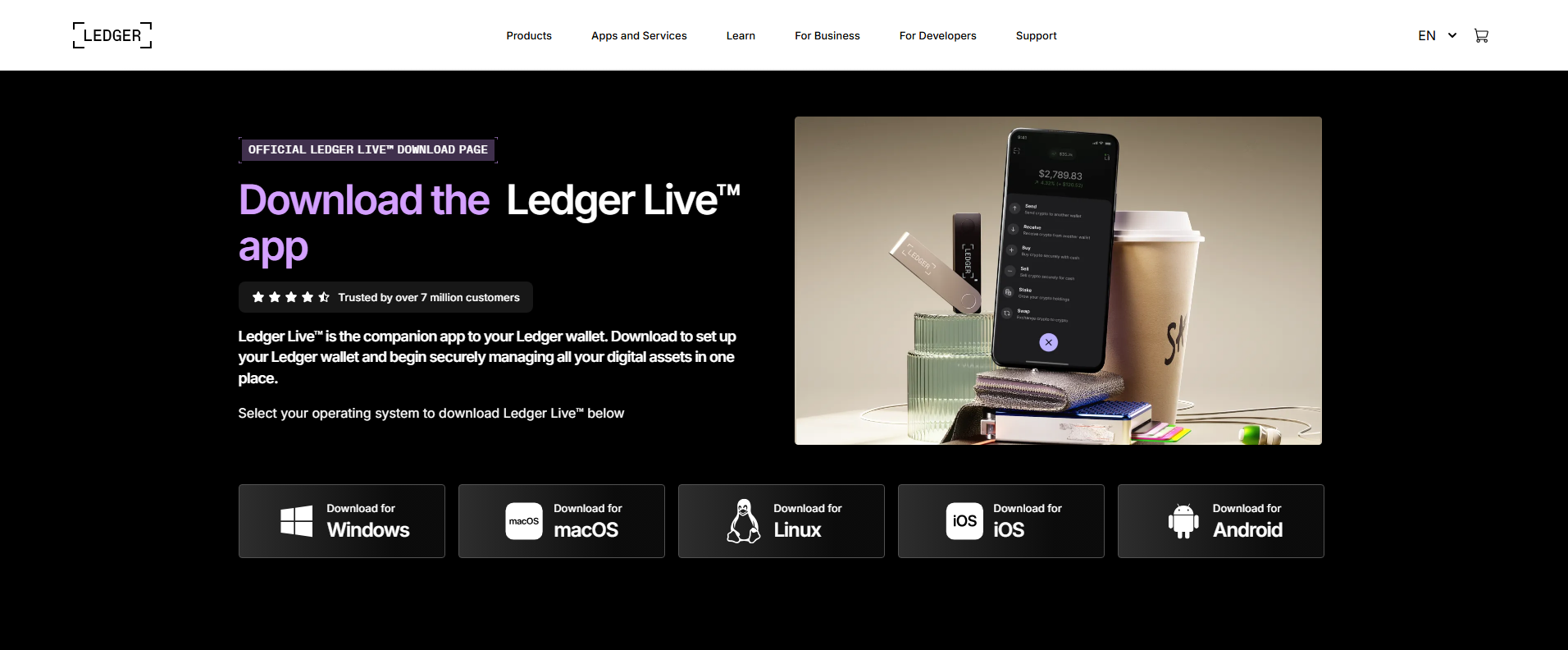
Ledger Live Login: A Complete Guide to Secure Wallet Access and Management
Managing cryptocurrency through a desktop wallet environment requires more than simply opening an application and viewing account balances. Users need to understand how wallet software, hardware security, account information, transaction approval, and recovery protection work together. Ledger Live Login is commonly associated with accessing the Ledger software environment used alongside compatible Ledger hardware wallets.
For users beginning with Ledger Live, understanding the difference between software access and hardware-wallet authorization is especially important. The desktop application can provide an interface for managing supported accounts, while the physical device plays an important role in protecting sensitive wallet credentials and approving transactions.
What Is Ledger Live Login?
Ledger Live Login refers to the process of accessing the Ledger software environment and using its available wallet-management features. Depending on the current software experience and device configuration, users may need to connect and verify their compatible Ledger hardware wallet before performing certain account or transaction-related activities.
A login or access screen should never be treated as a reason to disclose confidential recovery information. Users should remain cautious whenever a website or application asks for sensitive wallet credentials.
Why Secure Ledger Live Access Matters
Cryptocurrency accounts can contain valuable digital assets, making account security an important consideration. A secure access routine helps users reduce the possibility of unauthorized activity caused by phishing, malicious software, or careless handling of confidential information.
Ledger Live works together with a compatible hardware wallet rather than replacing the security role of the physical device. Understanding this relationship can help users make better decisions when managing their accounts.
Preparing Before Ledger Live Login
Before accessing Ledger Live, users should make sure they are working from a trusted computer and using legitimate wallet software. The operating system should be reasonably up to date, and users should avoid installing unknown programs that could interfere with wallet activity.
It is also important to avoid clicking unexpected login links received through emails, social media messages, advertisements, or unfamiliar websites. When accessing wallet software, independently verify the source instead of assuming that a familiar logo or name makes a page trustworthy.
Connecting a Compatible Ledger Device
A compatible Ledger hardware wallet can provide an additional security layer when accessing and managing cryptocurrency accounts. Depending on the activity being performed, the device may need to be connected and unlocked.
Users should follow the instructions displayed by the legitimate software and pay attention to information shown on the physical hardware wallet. The computer interface and the device serve different purposes, and both should be treated as part of the overall security process.
Understanding the Ledger Live Interface
After successful access, users may find different sections for accounts, portfolio information, supported assets, device management, and transactions. The appearance of the application can change as software versions develop, so users should rely on current legitimate instructions when navigating newer versions.
Learning the interface before making transactions can help prevent mistakes. New users can begin by reviewing account information and understanding how assets are organized.
Managing Cryptocurrency Accounts
Ledger Live can provide tools for managing supported cryptocurrency accounts. Users may organize different assets into appropriate accounts and review available balances through the application.
Account organization becomes particularly useful for people managing multiple cryptocurrencies or separating assets for different purposes. Users should always confirm that the selected account and network are appropriate before carrying out an operation.
Reviewing Wallet Balances
The portfolio and account sections can make it easier to monitor supported digital assets from one desktop environment. Displayed values may change based on current cryptocurrency market conditions and network information.
Users should understand that portfolio displays are informational. A changing market value does not necessarily indicate a change in the underlying number of cryptocurrency units held in an account.
Approving Transactions Securely
One of the most important parts of using a hardware wallet is carefully reviewing transactions before approving them. Users should check the recipient address, amount, network, and other relevant details.
Whenever transaction information is presented on the physical device, users should compare it with their intended transaction. If something appears incorrect or unexpected, the transaction should not be approved until the discrepancy is understood.
Protecting the Recovery Phrase
A recovery phrase is among the most sensitive pieces of information associated with a hardware wallet. It should be stored securely and kept completely private.
Users should never provide their recovery phrase to a person claiming to offer technical support. It should also never be entered into random websites, online forms, chat messages, or unofficial wallet applications.
A legitimate troubleshooting process should not require users to reveal their private recovery information.
Avoiding Fake Ledger Login Pages
Phishing websites can imitate legitimate wallet interfaces and create fake login or verification screens. These pages may attempt to convince users that their account needs immediate attention.
Common warning signs include urgent messages, unexpected login requests, suspicious domain names, unusual pop-ups, and requests for recovery information.
Users should verify the website or application source independently before entering any information. Search advertisements and links shared through unknown channels should be treated carefully.
Keeping the Computer Secure
The security of Ledger Live is also connected to the security of the computer where it is installed. Users should maintain current operating-system updates and avoid downloading unknown software.
Browser extensions, remote-access programs, suspicious files, and untrusted applications can introduce additional risks. A clean and carefully maintained computer environment can reduce unnecessary exposure.
Handling Login Problems Carefully
Sometimes users may experience connection errors, device-detection problems, software issues, or other unexpected behavior. When this happens, users should avoid immediately searching for unofficial fixes that request sensitive information.
Instead, verify the software version, device connection, and current legitimate troubleshooting guidance. Never allow an unexpected support contact to convince you to disclose recovery information.
Understanding Ledger Live and the Hardware Wallet
A common misunderstanding is assuming that the desktop application itself stores or controls every sensitive wallet credential. In a hardware-wallet setup, the physical device has an important role in protecting credentials and authorizing transactions.
The software provides a convenient management interface, while the hardware device adds a separate security layer. Understanding this distinction is fundamental to using the wallet responsibly.
Recognizing Suspicious Login Requests
Users should be particularly cautious when a message claims that an account has been suspended, compromised, or selected for urgent verification. Scammers often use fear and urgency to encourage quick decisions.
Do not provide confidential information simply because a message appears professional. Take time to independently verify the source and access the wallet environment through a trusted route.
Keeping Ledger Software Updated
Using a current version of legitimate wallet software can help maintain compatibility with supported devices and services. When updates are available, users should obtain them through trusted sources rather than third-party download pages.
Be cautious of unexpected update notifications that direct you to unfamiliar websites. A fake update can potentially expose a user to malicious software.
Common Ledger Live Login Mistakes
Several simple mistakes can create unnecessary security risks. Users may accidentally visit an imitation website, install software from an unofficial source, approve a transaction without checking the hardware wallet, or disclose sensitive information during a fake support conversation.
Another common mistake is rushing through security warnings. Cryptocurrency transactions can have serious consequences, so users should take enough time to verify important details.
Building Safer Ledger Live Habits
Good wallet security comes from consistent behavior rather than a single login procedure. Users should protect their recovery phrase, use trusted software, verify transaction details, keep their computer secure, and remain alert to suspicious communications.
It is also useful to develop the habit of checking the physical hardware wallet whenever transaction approval is required. This additional verification step can help identify unexpected details before authorization.
What to Do When Something Looks Wrong
If a login page, application message, transaction request, or support conversation appears unusual, stop before entering sensitive information or approving an operation.
Review the situation using trusted Ledger resources and avoid instructions from unknown individuals. If recovery information may have been exposed, treat the situation seriously and follow appropriate official security guidance rather than attempting random fixes.
Final Thoughts
Ledger Live Login is part of the broader process of accessing and managing cryptocurrency accounts through Ledger's software environment. For users working with a compatible hardware wallet, the desktop application can provide convenient tools for account organization, portfolio monitoring, and transaction management.
Secure wallet access depends on more than a login screen. Protecting the recovery phrase, using trusted software, checking transaction information on the hardware device, maintaining a secure computer, and recognizing phishing attempts are all important parts of responsible cryptocurrency management. By combining these habits with careful Ledger Live usage, users can create a more secure and organized approach to managing their digital assets.
Updated about 9 hours ago